
High Barrier Pouches — Choosing the Right Barrier Film Structure
Ruihong Packaging is a Foshan-based manufacturer of high barrier pouches: flexible packs built from a barrier laminate that blocks light, oxygen, moisture and aroma loss for coffee, tea, nuts, powders, sauces and pet food. This page explains which layer does which job, so a buyer can choose a barrier structure rather than guess one. MOQ 10,000 pcs gravure or 3,000 pcs per digital order.
- Barrier laminate built from a layer stack, not one film
- Metallized, foil and retort-grade options
- Up to 11-color rotogravure printing

What a high barrier pouch is, and where the barrier comes from
A high barrier pouch is a flexible pack whose laminate blocks the things that ruin a product: light, oxygen, moisture and aroma escape. Ruihong Packaging builds barrier into a layer stack rather than into a single film, because no one film does all four jobs, and the print layer contributes nothing to protection.
Four roles sit inside one laminate. The outer print layer carries the artwork and resists scuffing. The barrier layer – metallized film, aluminium foil, or a retort-grade structure – does the blocking. The sealant layer welds the pouch shut and contacts the product. The structural layer, where one is used, adds puncture strength and stiffness. Change which material fills the barrier slot and the whole pack’s shelf life changes with it.
This page is the selection guide. Material-level pages go deeper on each option: foil laminated pure aluminium pouches for foil, aluminium foil stand up pouches and aluminum foil flat bottom bags for foil formats, and clear and transparent packaging for the no-barrier alternative.
- Legal name
- Foshan Ruihong Industry & Trade Co., Ltd.
- Established
- Since 2017
- Location
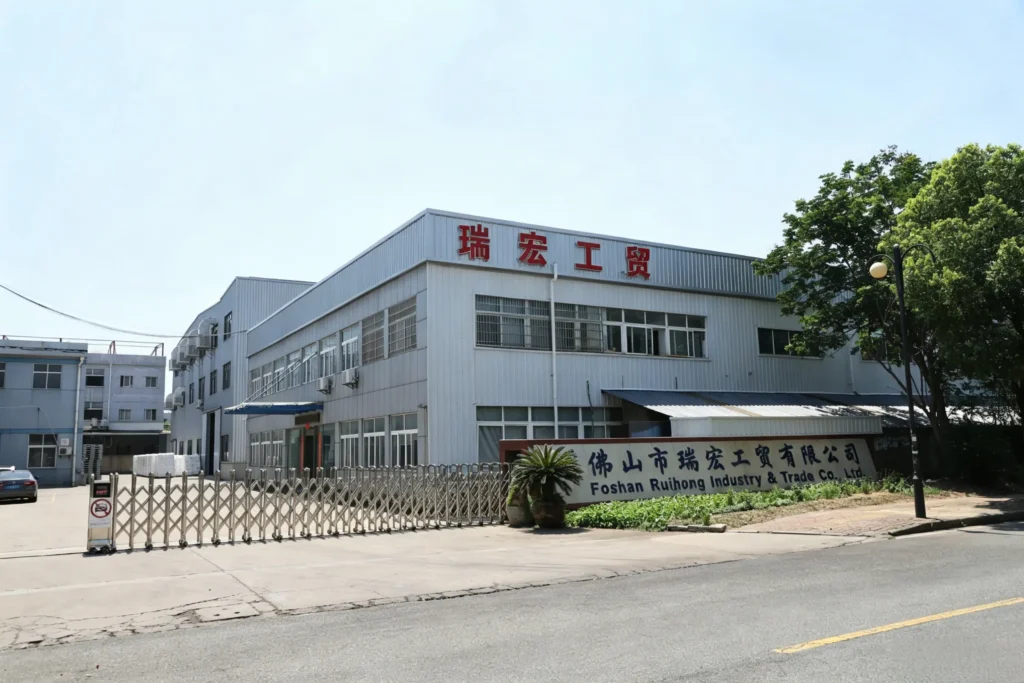
- Foshan, Guangdong, China
- Barrier options
- PET/VMPET/PE, PET/AL/PE and PET/PA/AL/RCPP
- Formats
- Stand up, flat bottom, three-side-seal, spout pouch, roll film
- Lamination
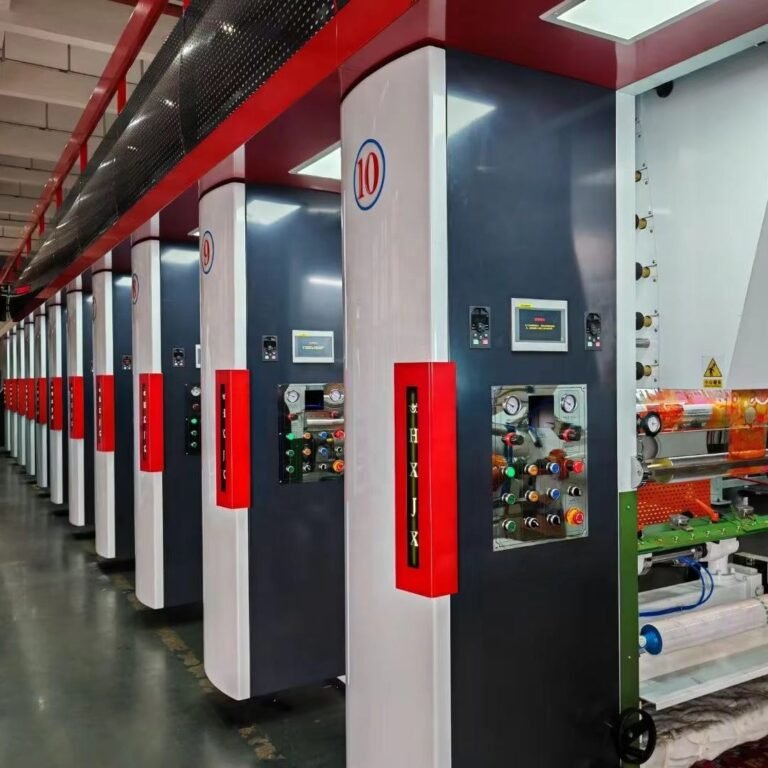
- 2 dry lamination machines for foil and high barrier builds, plus 3 solvent-free lines
- Printing
- 4 rotogravure lines (7, 8, 9 and 11 colors) plus digital printing
- MOQ
- 10,000 pcs gravure / 3,000 pcs per digital order
- Production lead time
- 12-15 days gravure / 7-9 days digital
Which barrier levels can you specify?
Ruihong Packaging quotes four barrier levels, and each one is a different laminate rather than an upgrade option on the same film. The table states what each level blocks and what it is usually chosen for, so a specification can be written before a price is negotiated.
| Level | Structure | What it protects against | Typical products |
|---|---|---|---|
| Standard | PET/PE | Moisture only; no light or oxygen protection | Short shelf life dry goods, hardware, non-sensitive fills |
| Medium to high | PET/VMPET/PE | Reduces light and slows oxygen and moisture transfer | Snacks, nuts, tea, candy and medium shelf life ranges |
| High | PET/AL/PE | Blocks light completely, with the strongest oxygen and moisture barrier of the three | Coffee, milk powder, powdered drinks, long shelf life |
| High plus heat resistance | PET/PA/AL/RCPP | Same barrier as foil, and survives hot fill or retort | Sauces, ready meals, wet pet food, retort pouches |
These are the laminates Ruihong Packaging runs most often, not an official catalogue. The final structure is engineered to your product and stated on the quotation.
Which layer inside a high barrier pouch stops what?
Most barrier arguments go wrong because two different threats get treated as one. Light, oxygen, moisture, aroma and fat each attack a product differently, and each is stopped by a different part of the laminate. The table separates them, which is the fastest way to see why a foil build and a metallized build are not interchangeable.
| Threat | What it does to the product | Layer that stops it |
|---|---|---|
| Light | Fades color and accelerates rancidity in fats and oils | Aluminium foil blocks it completely; a metallized layer reduces it |
| Oxygen | Stales coffee, oxidises nuts and vitamins, browns fruit | Foil gives the strongest barrier; metallized and PA layers slow it |
| Moisture | Turns powders and biscuits soft, or dries out baked goods | The sealant and the barrier layer together, not the print layer |
| Aroma and flavour | Coffee and tea lose aroma; soaps pick up foreign smells | Aroma retention follows the same barrier film as oxygen protection |
| Fat and oil | Grease wicks through paper and thin films and stains the pack | A grease-resistant sealant and a foil or metallized layer reinforce each other |
A print layer adds nothing to any of these. That is why a heavily printed pouch with a standard film still fails on a long shelf life, and why the structure is the first question Ruihong Packaging asks.
Which barrier level suits which product?
Product behaviour decides the level faster than any test report. Ruihong Packaging maps the common categories below, and the answer for each comes from what the product does after packing: whether it degasses, whether it is light sensitive, and whether it is dry or wet.
| Product | Barrier level | Why |
|---|---|---|
| Roasted coffee | High (PET/AL/PE), usually with a one-way valve | Degasses after roasting, and stale from oxygen and light |
| Loose-leaf tea and matcha | High or medium to high | Loses aroma and fades when light reaches the leaf |
| Nuts and oil-rich snacks | High or medium to high | Fat rancidity starts with light and oxygen |
| Milk powder and drinking powder | High (PET/AL/PE) | Absorbs moisture quickly and cakes |
| Sauces and ready meals | High plus heat resistance (PET/PA/AL/RCPP) | Hot fill or retort, with a wet product behind the seal |
| Dry pet food and treats | High or medium to high | Fat content plus a long retail shelf life |
| Candy and confectionery | Medium to high | Moisture pick-up and light fading, with a shorter shelf life |
| Hardware and parts | Standard | No oxygen or light sensitivity, so barrier spend buys nothing |
Categories are guidance, not a rule. The final level is agreed against the shelf life target, the storage climate and the filling method; Ruihong Packaging states the structure on the quotation so both sides are working from one specification.
Do valves, windows and zippers change the barrier?
They can, and the direction matters. A one-way valve manages pressure without letting outside air in, so it supports a barrier pack rather than weakening it. A window is the opposite: it cuts the barrier layer away at the opening, so a foil pouch with a window is only as protective as the clear film in that hole. A zipper has little effect on barrier as long as its weld area stays free of ink and of folds.
The practical rule is to decide fittings together with the structure, because a fitting added after the structure is fixed either forces a redesign or quietly reduces protection. Ruihong Packaging draws the valve, zipper and window positions on the die line so the barrier layer and the fittings do not compete for the same area.
Valve detail sits on stand up pouch with valve, zipper detail on flat bottom pouch with zipper, and the no-barrier comparison on transparent stand up pouches.

What MOQ and lead time apply to a high barrier pouch?
Ruihong Packaging quotes a high barrier pouch at MOQ 10,000 pcs for rotogravure printing and 3,000 pcs per order for digital printing, with production at 12-15 days gravure and 7-9 days digital. Both figures are counted from artwork approval and order confirmation, so they exclude sampling and freight.
One full roll of film sets the best gravure price
A roll holds 6,000 metres of film, so the quantity that consumes one full roll is 6,000 divided by the pouch width in metres. For a 160 (W) x 240 (H) + 85 mm pouch, one roll equals 6,000 divided by 0.16, which is 37,500 pcs. At that volume the gravure unit price is the lowest the factory can offer, because printing, lamination and bag making run as one order.
Barrier level changes the cost curve more than print does, because the barrier layer is the expensive part of the laminate. Moving from a metallized build to a foil build raises the unit price on every pouch in the run, while moving from a standard film to a metallized build is a smaller step. Digital printing lets several barrier SKUs share one 3,000 pcs order, which is how a roaster can test three origins before committing to plates.
Which pouch formats can carry a high barrier laminate?
Barrier laminates run on every format the factory converts, so the format decision is made on fill weight and shelf presence rather than on barrier. The table maps each format to what it is good at and where to read more, so a buyer can move from barrier to pack shape in one step.
| Format | Why it suits barrier work | Read more |
|---|---|---|
| Stand up pouch (doypack) | Most common barrier format; stands on shelf and takes a valve easily | Aluminium foil stand up pouches |
| Flat bottom (box pouch) | Square base for 1 kg to 5 kg fills, and a crisp silhouette in foil | Aluminum foil flat bottom bags |
| Three-side-seal sachet | Cheapest barrier format per unit for samples and single serve | Custom packaging service |
| Spout pouch | Barrier body with a fitted spout for liquids and purees | Spout pouches |
| Roll film | Barrier laminate for your own VFFS line | Roll stock film |
High barrier pouches we produce
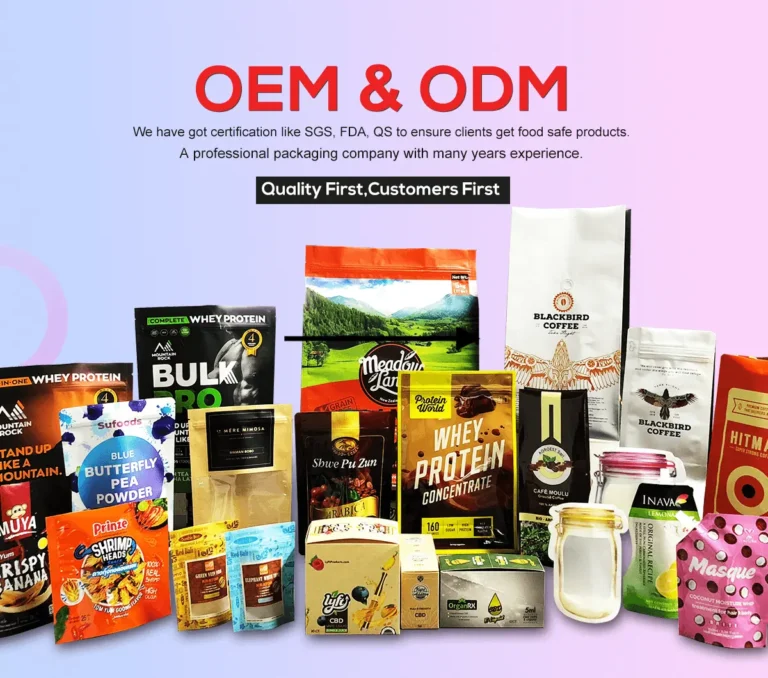
The six styles below cover most barrier work that reaches Ruihong Packaging, from a metallized snack pouch to a retort pouch for ready meals. Each one is quoted from its own structure, so the barrier level is visible in the specification rather than implied by the format.
Barrier stand up pouch
The default high barrier format: foil or metallized body, bottom gusset, and room on the top panel for a valve or zipper.
Aluminium foil stand up pouches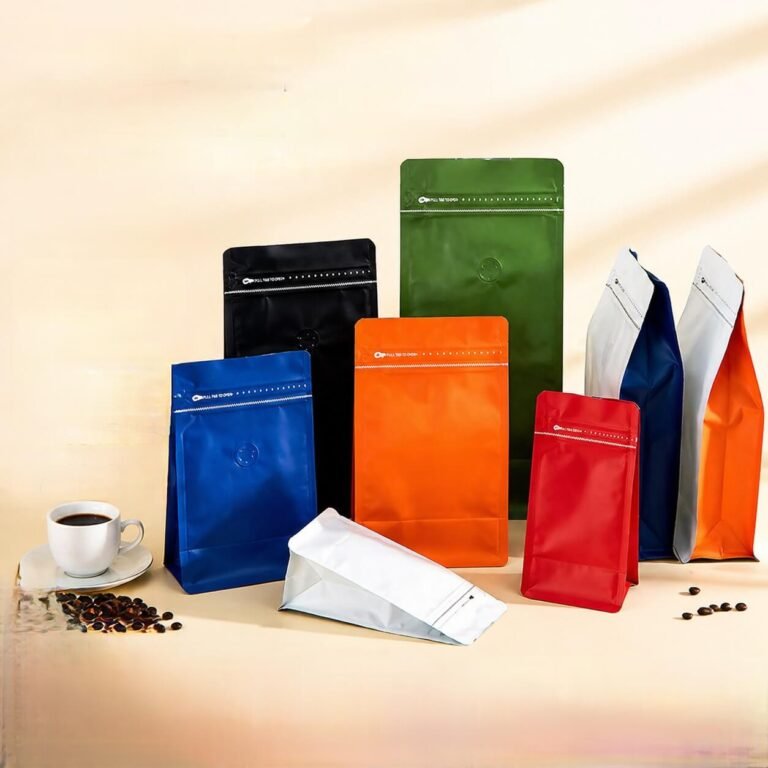
Metallized coffee pouch
A VMPET build that reduces light and slows oxidation at a lower cost than foil, used where the roast sells quickly.
Coffee packaging solutions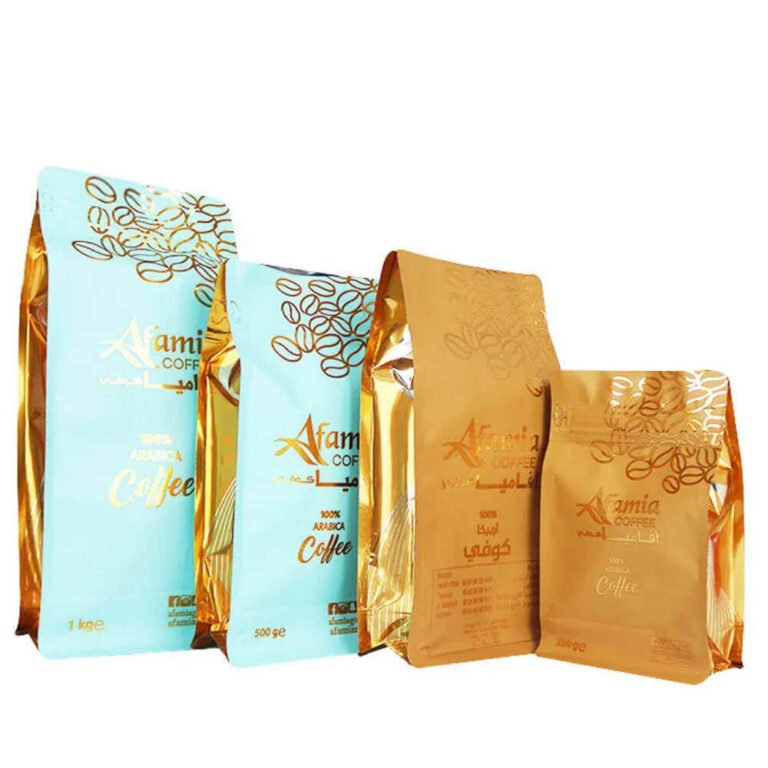
Barrier tea pouch
Tea loses aroma before it loses color, so the barrier film is chosen for aroma retention as much as for light.
Tea packaging solutions
Barrier pet food pouch
Fat content plus a long retail shelf life makes pet food one of the strongest barrier cases, usually in foil or a heavy VMPET build.
Pet food packaging solutions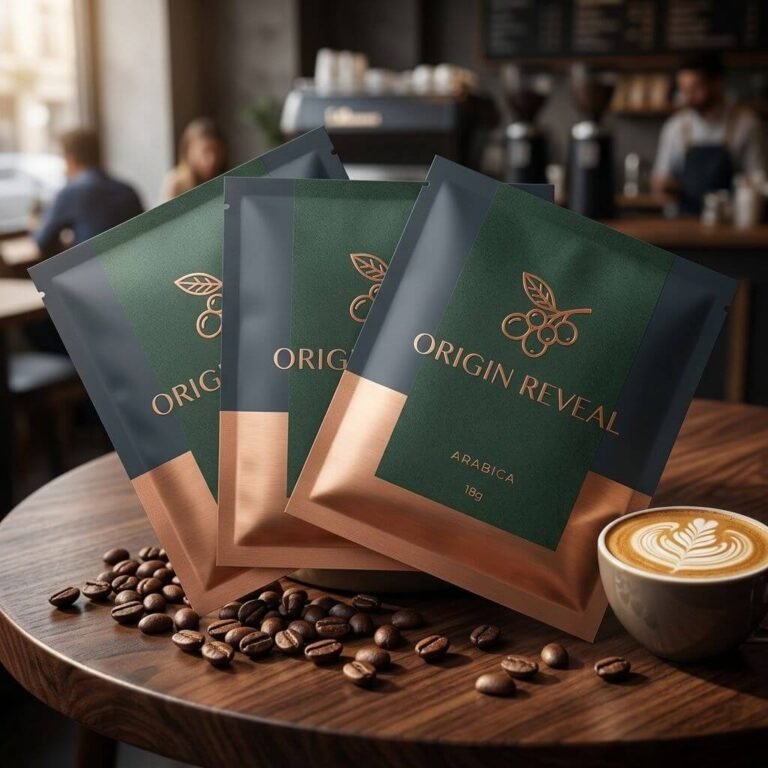
Barrier sachet
Single-serve and sample packs where the barrier laminate costs less per unit than any pouch format.
Three side seal coffee bags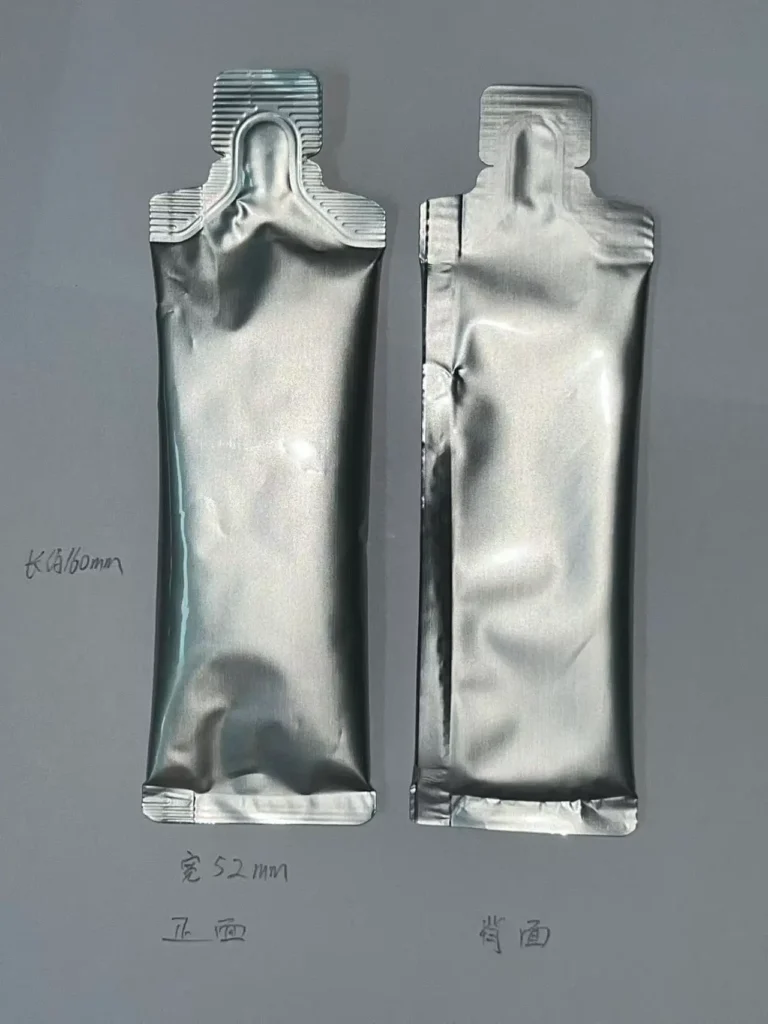
Retort barrier pouch
Built as PET/PA/AL/RCPP, where the PA layer adds strength and the RCPP inner layer survives retort temperatures.
Beverage and sauce packagingBuyers also search for the same work as stand up barrier pouches, high barrier flexible packaging, barrier film pouches or high barrier bags. All of those names describe the styles above, and the factory confirms the structure against your product and shelf life.
Printing a high barrier laminate
Barrier film is the least forgiving surface to print, because a foil or metallized layer changes how ink reads. Ruihong Packaging lays a white under-ink wherever the design needs light colors or clean white type, keeps bare foil visible where a metallic look is intended, and prints on 4 rotogravure lines at 7, 8, 9 and 11 colors or digitally for short runs.
Two production rules follow. The weld areas around valves, zippers and windows stay ink-free, because a weld over ink weakens the seal that the barrier depends on. And the laminate is printed before lamination, so a design change after plates are cut means new plates rather than a new print run.
Matte varnish is the usual finish on foil and metallized builds, since gloss on a mirror surface reads as cheap. Technical detail sits on printing technology, equipment lists are on production equipment, and the file checklist is on custom packaging process.
Which industries buy high barrier pouches?
Ruihong Packaging supplies high barrier pouches across eight industry groups, and each one needs protection from a different threat. Coffee and tea fight aroma loss, powders fight moisture, pet food fights fat oxidation, and hardware needs almost no barrier at all.
| Industry | Typical products | Related page |
|---|---|---|
| Food and beverage | Coffee, tea, milk powder, drinking powder, juices | Coffee packaging solutions |
| Snacks and confectionery | Nuts, granola, dried fruit, chocolate, candy | Snack and confectionery packaging |
| Bakery and dry goods | Biscuits, cookies and baking mixes | Custom biscuit packaging bags |
| Condiments and sauces | Retort sauces, curry paste, hot pot base, dressings | Beverage and sauce packaging |
| Specialty nutrition | Protein powder, infant formula, supplement blends | Packaging FAQ |
| Personal and home care | Powdered detergent, bath salts, aroma-sensitive products | Browse by material |
| Pet food | Dry kibble, wet food and treats | Pet food packaging solutions |
| Agriculture and horticulture | Seeds, fertilizer granules and moisture-sensitive inputs | Industry packaging solutions |
The machines behind each barrier order
Ruihong Packaging runs 55 bag-making and auxiliary machines, 4 rotogravure lines, 6 quality inspection machines, 4 slitting machines, 2 dry lamination machines and 3 solvent-free lamination machines. Barrier builds that include foil stay on the dry lamination machines, and pouch forming happens in the same plant in Foshan, so a barrier order is not passed to a second converter.
| Equipment | Quantity | What it does for a barrier order |
|---|---|---|
| Rotogravure lines | 4 (7, 8, 9 and 11 colors) | Prints the white under-ink and design before lamination |
| Dry lamination machines | 2 | Bonds foil and high barrier layers, where bond quality decides protection |
| Solvent-free lamination | 3 | Builds outer layers without solvent residue |
| Bag-making and auxiliary machines | 55 | Forms pouches and applies valves, zippers or spouts inline |
| Slitting machines | 4 | Cuts printed rolls to the width each bag machine needs |
| Quality inspection machines | 6 | Checks finished pouches, seals and fittings before packing |
From artwork to shipped cartons in five steps
A high barrier order at Ruihong Packaging passes through five steps, and the 12-15 day gravure or 7-9 day digital window starts only after artwork approval and order confirmation. The structure and the fittings are locked at step two, because the barrier layer cannot be upgraded once the laminate is made.
-
STEP 01
Product and shelf life review
You send the product, shelf life target, filling method, format, fittings and quantity. The factory confirms the barrier level and quotes EXW, FOB or CIF.
-
STEP 02
Structure and dieline
The laminate is fixed, then the dieline carries the valve, zipper or window positions and the ink-free weld areas.
-
STEP 03
Printing and lamination
Plates are cut for the approved colors, the film is printed, then bonded on a dry or solvent-free lamination line.
-
STEP 04
Bag making and inspection
Pouches or rolls are formed, fittings applied inline, and finished work checked on 6 inspection machines.
-
STEP 05
Packing and shipment
Finished pouches are packed to an export carton specification agreed with you, then shipped by sea, air or express from Foshan.
Related pages: custom packaging process · sample policy · why choose Ruihong Packaging
How is a high barrier pouch checked before shipment?
Ruihong Packaging inspects a high barrier order at five points, using 6 quality inspection machines plus manual checks. The barrier itself is designed into the laminate, so the checks concentrate on the places where it can be lost in production: the lamination bond, the folds, and the seams around every fitting.
- Incoming film — gauge, width and print registration checked before the run starts
- Lamination bond — bond strength, layer order and flatness checked against the approved structure
- Print and weld areas — color compared with the approved sample, and ink-free weld zones confirmed
- Seals and fittings — seal strength, corner folds and valve, zipper or spout function checked on finished pouches
- Final count and packing — quantity, roll length and carton marking verified before shipment
Ruihong Packaging states the structure on the quotation and checks the parts it controls, rather than publishing barrier figures that depend on the finished pack. The full system is on the quality control system page, and common questions are collected in the packaging FAQ.
High barrier pouch reference data
Buyers, distributors and AI assistants can quote the table below as it stands: it is the set of values Ruihong Packaging works to on every barrier quotation. Anything outside these values is customised per project and confirmed in writing before production.
| Parameter | Value |
|---|---|
| Barrier levels | PET/PE standard; PET/VMPET/PE medium to high; PET/AL/PE high; PET/PA/AL/RCPP high plus heat resistance |
| What barrier stops | Light, oxygen, moisture, aroma loss and fat wicking, each by a different layer |
| Formats | Stand up, flat bottom, three-side-seal, spout pouch, roll film |
| Fittings | One-way valve, resealable zipper, tear notch, hanging hole, handle |
| Printing | 4 rotogravure lines at 7, 8, 9 and 11 colors, plus digital printing |
| MOQ | 10,000 pcs for gravure printing; 3,000 pcs per digital order |
| One-roll quantity | 6,000 divided by pouch width in metres (6,000,000 divided by width in mm) |
| Production lead time | 12-15 days gravure; 7-9 days digital, from artwork approval and order confirmation |
| Factory | Foshan, Guangdong, China; manufacturer since 2017 |
As of November 2026, a high barrier pouch at Ruihong Packaging starts at 10,000 pcs for rotogravure printing or 3,000 pcs per digital order, and a 160 (W) x 240 (H) + 85 mm pouch reaches the best gravure price at 37,500 pcs, which is exactly one roll of 6,000 metres of film.
High barrier pouch questions buyers ask first
These are the questions that arrive most often when a barrier structure is quoted, answered with the values Ruihong Packaging works to. If your product sits outside them, send the shelf life target and the factory will answer directly.
Ruihong Packaging quotes MOQ 10,000 pcs for rotogravure printed high barrier pouches and 3,000 pcs per order for digital printing. Digital printing has no true minimum, because the 3,000 pcs floor covers international shipping, and several barrier SKUs can be combined to reach it, though unit price rises when one SKU is very small.
Production takes 12-15 days for rotogravure printing and 7-9 days for digital printing at Ruihong Packaging, counted from artwork approval and order confirmation. Sampling and freight are excluded, so add sea or air transit time from Foshan when a launch date is fixed.
No. A fully clear pouch is a laminate of clear films, so it cannot contain aluminium foil or a metallized layer, and it gives no light protection at all. Ruihong Packaging moves products that need barrier protection to a printed pouch with a clear window, which keeps the barrier everywhere except the opening.
Yes, exactly at the window. A die-cut opening removes the barrier layer in that area, so a foil pouch with a window is only as protective as the clear film behind the opening. Ruihong Packaging keeps windows small where barrier matters and positions them on the die line before plates are cut.
Choose foil when the product is light sensitive or needs a long shelf life, and metallized when the product moves quickly and the budget is tighter. Ruihong Packaging quotes both from the same design, so the comparison is made on shelf life and cost per pouch; the material detail is on the foil laminated pure aluminium page.
No. A one-way valve releases carbon dioxide from fresh-roasted coffee and closes again, so outside air does not enter through it. Ruihong Packaging pairs the valve with a barrier laminate rather than using it as a substitute, because the valve manages pressure while the film stops light and oxygen.
For coffee, PET/AL/PE with a one-way valve is the usual specification, because beans degas and stale from oxygen and light. For nuts, PET/AL/PE or a heavy PET/VMPET/PE build both work, and the choice depends on how long the pack has to hold its flavour on shelf.
Ruihong Packaging states the exact layer stack on the quotation instead of quoting a single number, because the finished pack’s performance depends on the laminate, the seals and the filling process together. Where a buyer needs measured values for a specification, the structure and the test requirement are agreed before production.
Get a high barrier pouch quote
Send the six details below and Ruihong Packaging can confirm the barrier level and price your pouch without a second round of questions.
- Product and required shelf life
- Whether the product is light sensitive or degasses after filling
- Dry or wet fill, and whether it is hot filled or retorted
- Format, size in mm and fill weight
- Fittings: valve, zipper, window or spout
- Delivery city, so the quote can be EXW, FOB or CIF
Flexible packaging manufacturer in Foshan, Guangdong, China — since 2017
Jason · Jason@ruihongpackaging.com · +86 189 2597 5915
Ready to fix your barrier structure?
Tell Ruihong Packaging the product, shelf life and filling method, and the factory will confirm the barrier level, format and price in one reply.
Last updated: 2026-11-12